
*Alnylam is proud to feature real patients in our advertising. Patients may or may not be on an Alnylam therapy.
ILLUMINATE: Pivotal Clinical Trials Evaluating OXLUMO® (lumasiran)
ILLUMINATE-A: STUDY DESIGN
The largest placebo-controlled study in PH11,2
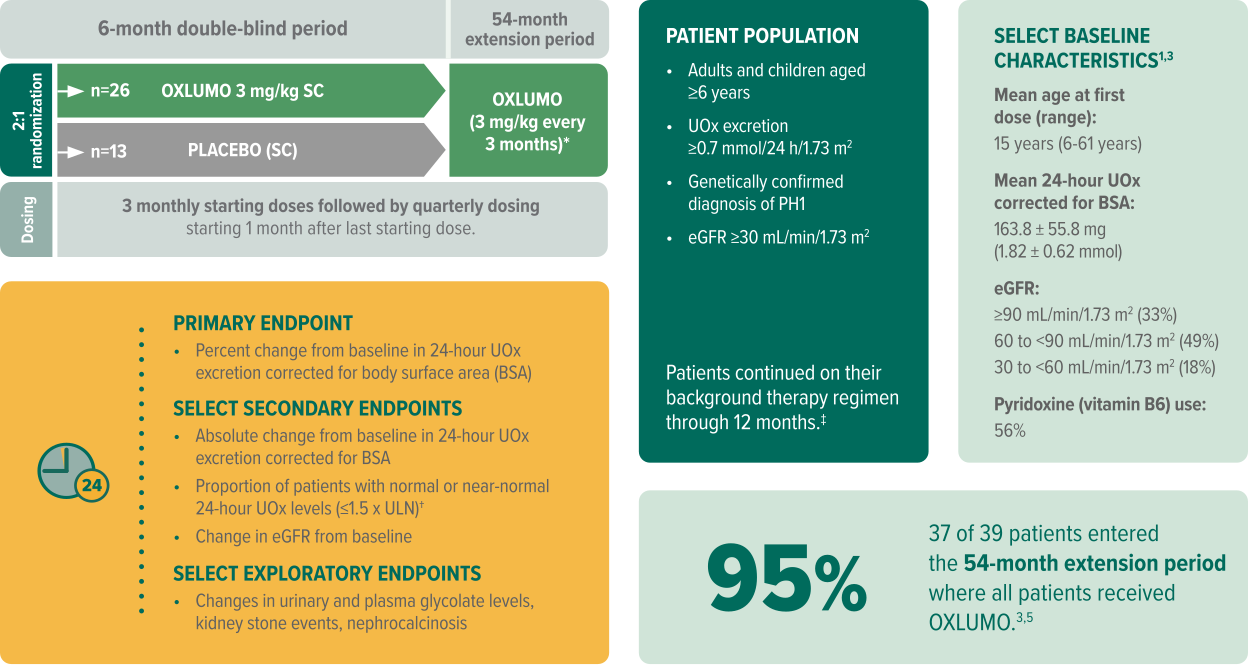
OXLUMO was studied in ILLUMINATE-A, an international, multicenter, phase 3, randomized, double-blind, placebo-controlled trial including adults and children ≥6 years with eGFR ≥30 mL/min/1.73 m2 (N=39).1,3

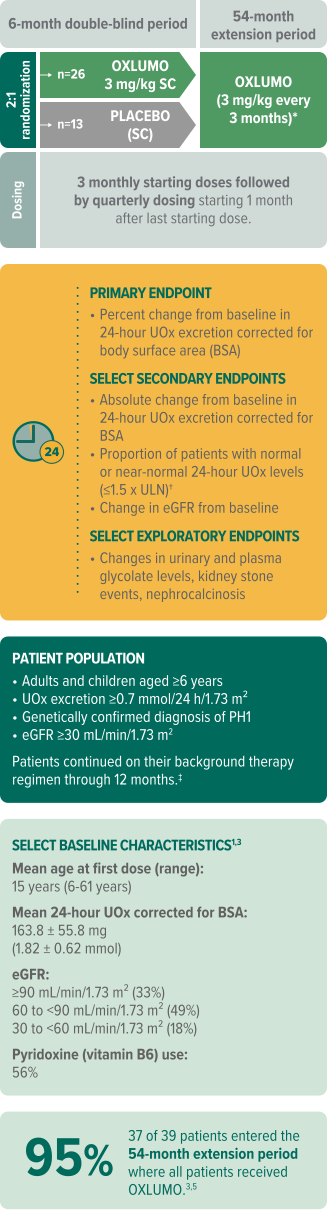
ILLUMINATE-A study design1,3-5
eGFR=estimated glomerular filtration rate; PH1=primary hyperoxaluria type 1; SC=subcutaneous; ULN=upper limit of normal; UOx=urinary oxalate.
Patients randomized to placebo received starting doses of 3 mg/kg OXLUMO at months 6, 7, and 8; patients randomized to OXLUMO received an ongoing dose of 3 mg/kg OXLUMO at month 6 and placebo at months 7 and 8. At month 9, all patients started receiving OXLUMO every 3 months.3
1.5 x ULN, ≤69.4 mg/24 h/1.73 m2 (≤0.771 mmol/24 h/1.73 m2); ULN, ≤46.3 mg/24 h/1.73 m2 (≤0.514 mmol/24 h/1.73 m2).4
Including hyperhydration, crystallization inhibitors, and/or pyridoxine, after which they could adjust per the recommendations of their treating physician.6
ILLUMINATE-A: PRIMARY AND SELECT SECONDARY ENDPOINTS
Rapid, powerful, and sustained reduction of 24-hour UOx1
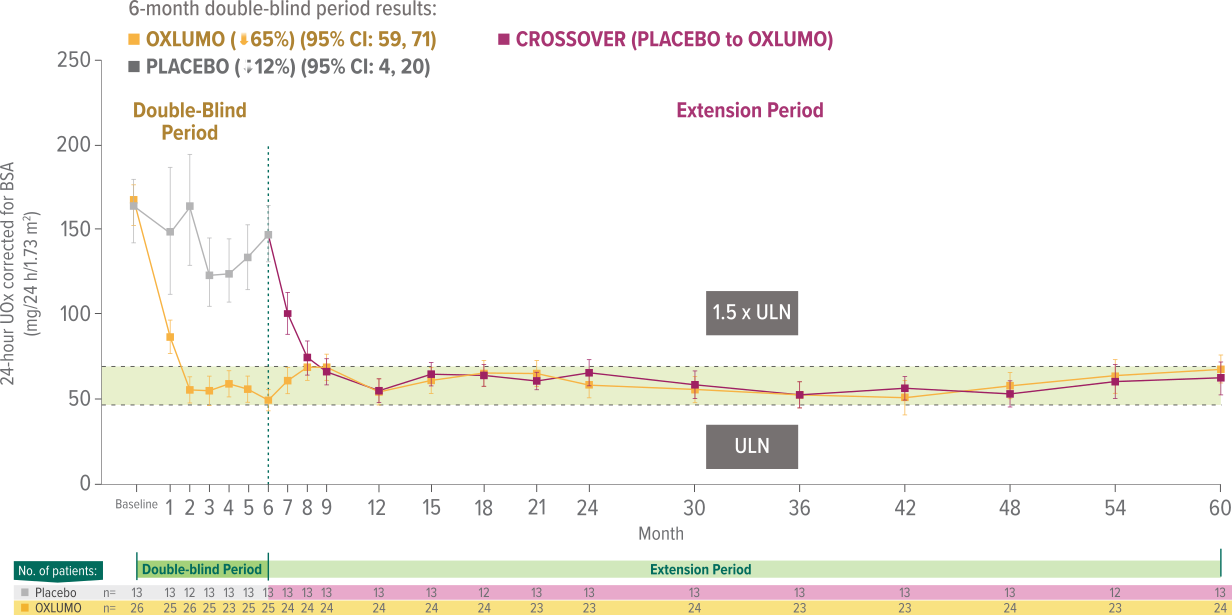
UOx reduction was observed beginning at month 1 and was sustained through 60 months in those initially treated with OXLUMO.1,7
24-hour UOx excretion over time*†1,8
PRIMARY ENDPOINT1

Significant reduction in 24-hour UOx excretion from baseline to month 6 for OXLUMO compared to placebo (P<0.0001; 95% CI: 45, 62)‡
SECONDARY ENDPOINT7


Reduction from baseline in 24-hour UOx was sustained in patients who continued OXLUMO (-54% at month 60) and patients who crossed over from placebo to OXLUMO (-56% at month 54) in the OLE period
BSA=body surface area; CI=confidence interval; OLE=open-label extension; SEM=standard error of the mean; UOx=urinary oxalate.
Mean and SEM of actual observed values.8
Assessments were conducted monthly until month 9, every 3 months until month 24, then every 6 months until month 60.7
Least squares (LS) mean reduction averaged over months 3 through 6, corrected for BSA.1
ILLUMINATE-A: SELECT SECONDARY ENDPOINTS
OXLUMO long-term data up to 5 years (60 months) show eGFR was similar to baseline7
Change in eGFR from baseline was a secondary endpoint in the 6-month double-blind and OLE periods. No change was expected within 6 months, so eGFR was evaluated as a descriptive analysis, not as part of a hierarchy.3,7
eGFR change from baseline*†8
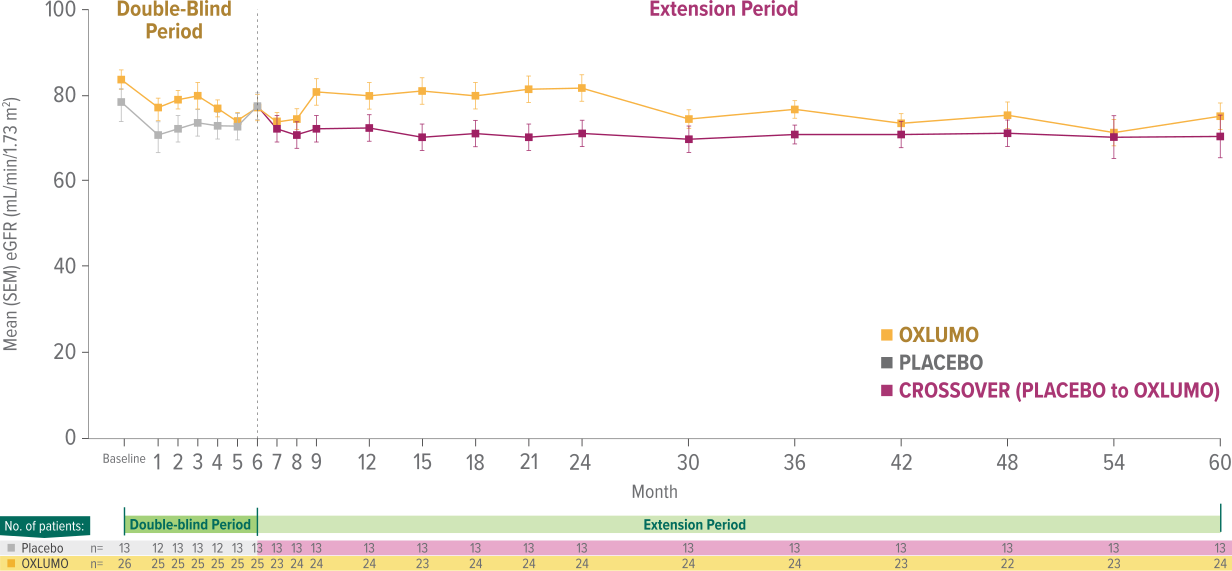

At month 60, eGFR levels were similar to baseline for both groups of patients ≥6 years old‡7,8
At baseline, the mean (SD) eGFR was7:
- 83 (26) mL/min/1.73 m2 in the OXLUMO/OXLUMO group
- 79 (30) mL/min/1.73 m2 in the placebo/OXLUMO group
At month 60, the mean (SD) eGFR was8:
- 77 (28) mL/min/1.73 m2 in the OXLUMO/OXLUMO group
- 71 (25) mL/min/1.73 m2 in the placebo/OXLUMO group
eGFR=estimated glomerular filtration rate; OLE=open-label extension; SD=standard deviation; SEM=standard error of the mean.
Baseline is the last assessment prior to the first dose of study drug (OXLUMO or placebo) in the 6-month double-blind period.5
eGFR was calculated using the Modification of Diet in Renal Disease (MDRD) formula for adults ≥18 years of age and the Schwartz bedside formula for children 6 to 18 years of age at screening.3,7
Mean eGFR change from baseline (SEM) of -12.86 (3.89) mL/min/1.73 m2 in the placebo/OXLUMO group (month 54) and -2.89 (2.75) mL/min/1.73 m2 in the OXLUMO/OXLUMO group (month 60).7
ILLUMINATE A: POST HOC ANALYSES OF SELECT EXPLORATORY ENDPOINTS
Post hoc analysis: Change in kidney stone event rate7,9
Kidney stone event rate was an exploratory endpoint in the 6-month primary analysis and OLE periods of ILLUMINATE-A, and comparing these events to historical rates was not a prespecified analysis.*7,9
Kidney stone events were any of the following9:
- Visit to an HCP because of a kidney stone
- Medication for renal colic
- Stone passage
- Macroscopic hematuria due to a kidney stone
Kidney stone event rates over time†9
| Timeframe | OXLUMO/OXLUMO (n=26) | PLACEBO/OXLUMO (n=13) |
|---|---|---|
| 12 months prior to study consent (95% CI)† |
3.19 (2.57, 3.96) | 0.54 (0.26, 1.13) |
| During OXLUMO treatment (95% CI) |
60 months of OXLUMO treatment Day 1 to month 60: 0.47 (0.36, 0.62) |
54 months of OXLUMO treatment Month 6 to month 60: 0.54 (0.37, 0.78) |
Limitations: This subanalysis was not adjusted for multiplicity. No efficacy conclusions can be drawn from this analysis.
CI=confidence interval; HCP=healthcare professional; OLE=open-label extension.
Patient-reported history of kidney stone events 12 months prior to informed consent.9
Kidney stone event rate is calculated by dividing the number of kidney stone events by the patient years of the 12-month historical recall period or the overall exposure to OXLUMO.6
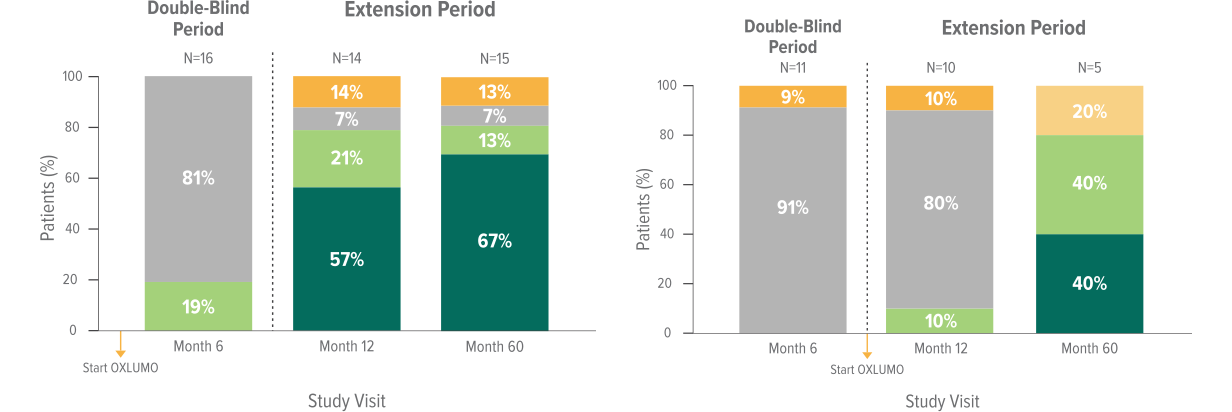
Post hoc analysis: Change in nephrocalcinosis7,9
Change in nephrocalcinosis, assessed via ultrasound by a single central radiologist, was an exploratory endpoint in the 6-month double-blind and OLE periods.3,7
Medullary nephrocalcinosis change from baseline*†9
Limitations: This subanalysis was not adjusted for multiplicity. No efficacy conclusions can be drawn from this analysis.
Nephrocalcinosis was graded on a 0 (absent) to 3 (severe) scale with the following categories3,7,9:
At baseline, 20 patients had nephrocalcinosis.7,9
Scheduled ultrasound images were compared with baseline ultrasound images for the OXLUMO/OXLUMO group and the last ultrasound prior to the start of OXLUMO (month 6) for the placebo/OXLUMO group.3,10
ILLUMINATE-B: STUDY DESIGN
OXLUMO was extensively studied in infants and young children with PH11,11
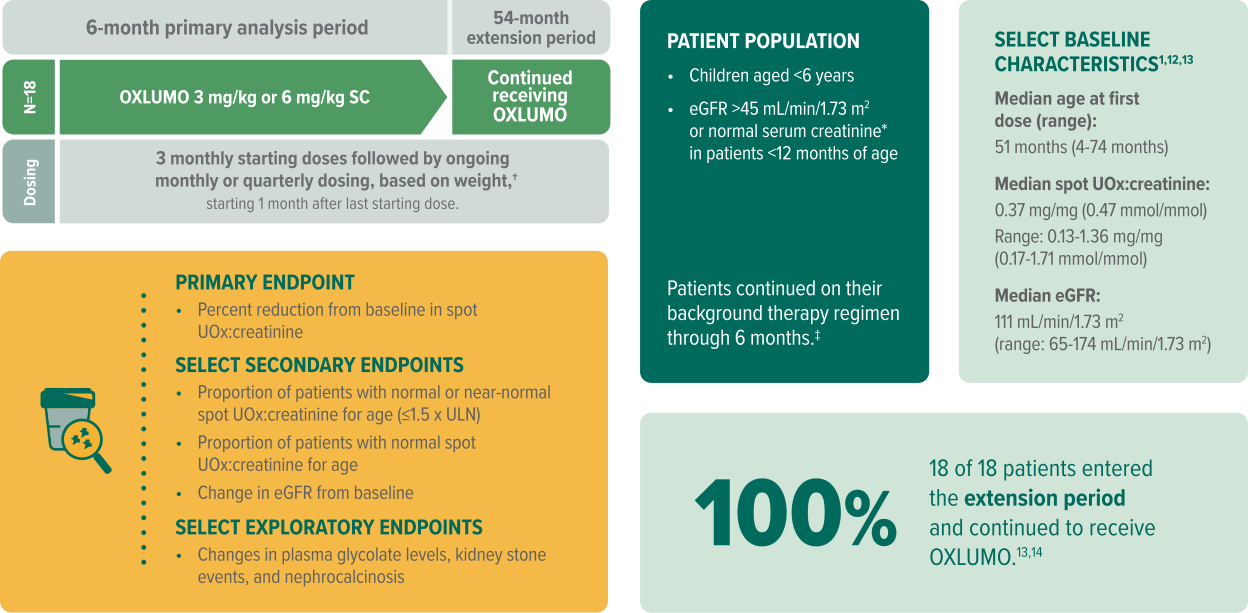
The multicenter, phase 3, single-arm, open-label trial included patients aged <6 years with eGFR >45 mL/min/1.73 m2 (normal serum creatinine was used for patients aged <12 months*) (N=18)1

ILLUMINATE-B study design1,12-15
eGFR=estimated glomerular filtration rate; PH1=primary hyperoxaluria type 1; SC=subcutaneous; ULN=upper limit of normal; UOx=urinary oxalate.
Age-dependent ULN.12
Patients <10 kg received starting doses of 6.0 mg/kg monthly for 3 months and then ongoing doses of 3.0 mg/kg monthly; patients ≥10 to <20 kg received starting doses of 6.0 mg/kg monthly for 3 months and then ongoing doses of 6.0 mg/kg every 3 months; patients ≥20 kg received starting doses of 3.0 mg/kg monthly for 3 months and then ongoing doses of 3.0 mg/kg every 3 months.12
Including hyperhydration, crystallization inhibitors, and/or pyridoxine therapy.12
ILLUMINATE-B: PRIMARY AND SELECT SECONDARY ENDPOINTS
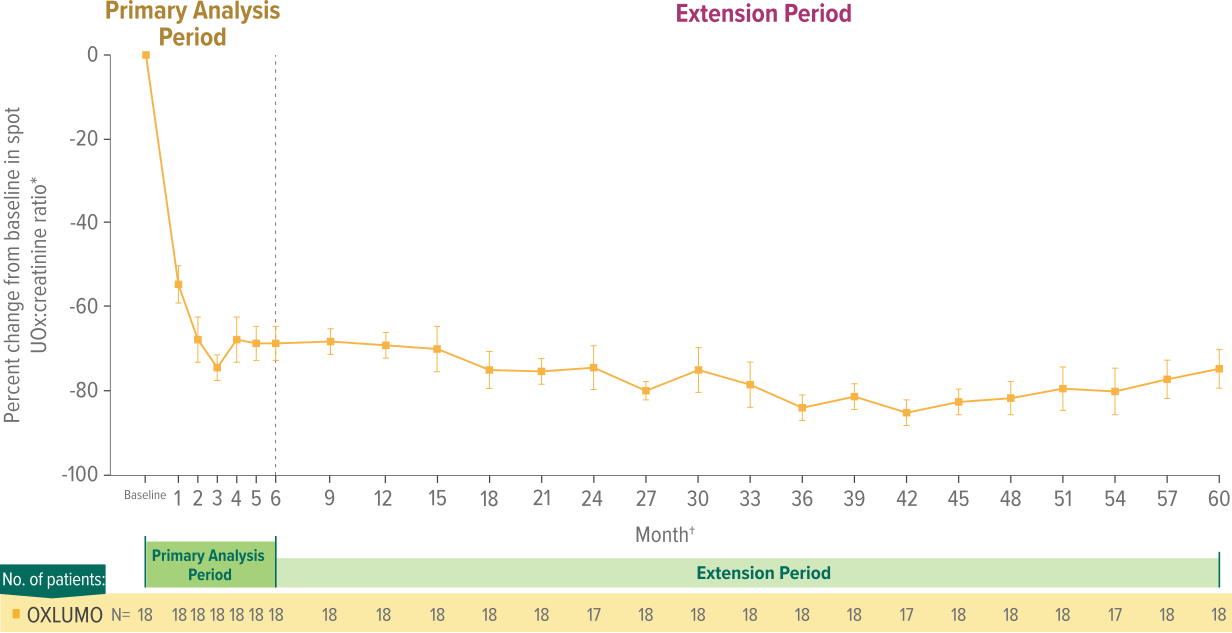
Demonstrated reduction in UOx:creatinine at month 61,11
Patients treated with OXLUMO saw rapid reduction in spot UOx:creatinine through 6 months, sustained through 60 months.1,11
Spot UOx:creatinine over time1,11
PRIMARY ENDPOINT1

Substantial mean reduction in spot UOx:creatinine ratio from baseline to month 6 (95% CI: 66, 78)‡
SECONDARY ENDPOINT11


Reduction in spot UOx:creatinine ratio sustained, with mean reduction of 74% from baseline at month 60 in patients taking OXLUMO in the extension period§
CI=confidence interval; LS=least squares; SEM=standard error of the mean; UOx=urinary oxalate.
Mean and SEM percent change.11
After month 6, samples were only collected every 3 months for patients in the ≥10 to <20 kg and ≥20 kg weight groups. For patients in the <10 kg weight group, pharmacodynamic collections were optional at nonquarterly months.8
LS mean reduction averaged over months 3 through 6.14
Mean (SEM) spot UOx:creatinine ratio at month 60: 0.11 (0.01) mmol/mmol.11
ILLUMINATE-B: SELECT SECONDARY ENDPOINTS
OXLUMO long-term data up to 5 years (60 months) shows eGFR was similar to baseline for patients <6 years old11
eGFR change from baseline was evaluated as a secondary endpoint in the 6-month primary analysis period and the extension study period. No change was expected within 6 months, so eGFR was evaluated as a descriptive analysis, not as part of a hierarchy.11,15
eGFR change from baseline*†11
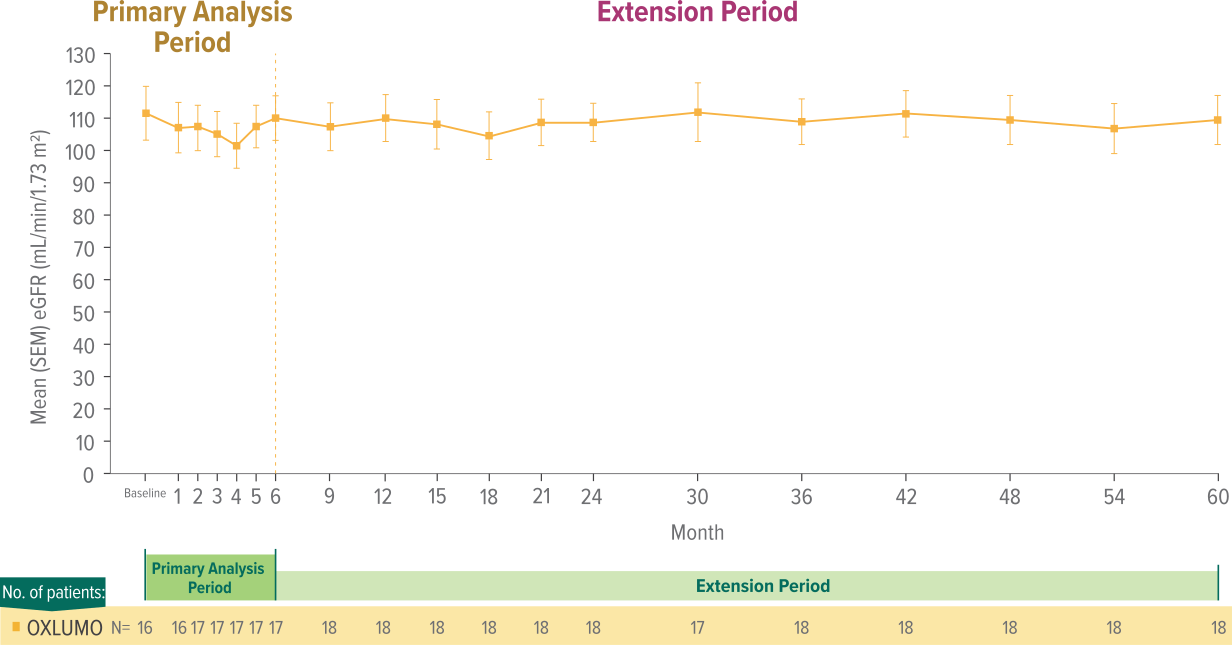
At month 60, eGFR levels were similar to baseline in patients <6 years old11
Mean (SEM) eGFR was 112.8 (6.90) mL/min/1.73 m2 at baseline and 109.8 (5.72) mL/min/1.73 m2 at month 60*†11
eGFR=estimated glomerular filtration rate; SEM=standard error of the mean.
eGFR was calculated using the Schwartz bedside formula for patients aged ≥12 months at the time of assessment.11
Baseline values are not available for 2 patients who were <12 months of age at that time point.11
ILLUMINATE B: POST HOC ANALYSES OF SELECT EXPLORATORY ENDPOINTS
Post hoc analysis: Change in kidney stone event rate11,15
Kidney stone event rate was an exploratory endpoint in the 6-month primary analysis and extension periods of ILLUMINATE-B, and comparing these events to historical rates was not a prespecified analysis.*9,11
Kidney stone events were any of the following9:
- Visit to an HCP because of a kidney stone
- Medication for renal colic
- Stone passage
- Macroscopic hematuria due to a kidney stone
Kidney stone event rates over time†9,11
| Timeframe | Kidney stone events per patient year (N=18) |
|---|---|
| 12 months prior to study consent (95% CI)* |
0.24 (0.09, 0.63)‡ |
| During OXLUMO treatment (95% CI) |
60 months of OXLUMO treatment Day 1 to month 60: 0.11 (0.06, 0.21) |
Limitations: This subanalysis was not adjusted for multiplicity. No efficacy conclusions can be drawn from this analysis.
CI=confidence interval; HCP=healthcare professional.
Patient-reported history of kidney stone events 12 months prior to informed consent.9,15
Kidney stone event rate is calculated by dividing the number of kidney stone events by the patient years of the 12-month historical recall period or the overall exposure to OXLUMO.15
Annualized rate was not calculated for patients <6 months of age.16
Post hoc analysis: Change in nephrocalcinosis9,12
Change in nephrocalcinosis, assessed via ultrasound by a single central radiologist, was an exploratory endpoint in the 6-month primary analysis and the extension period of ILLUMINATE-B.9,11,12
Medullary nephrocalcinosis change from baseline*†9,11
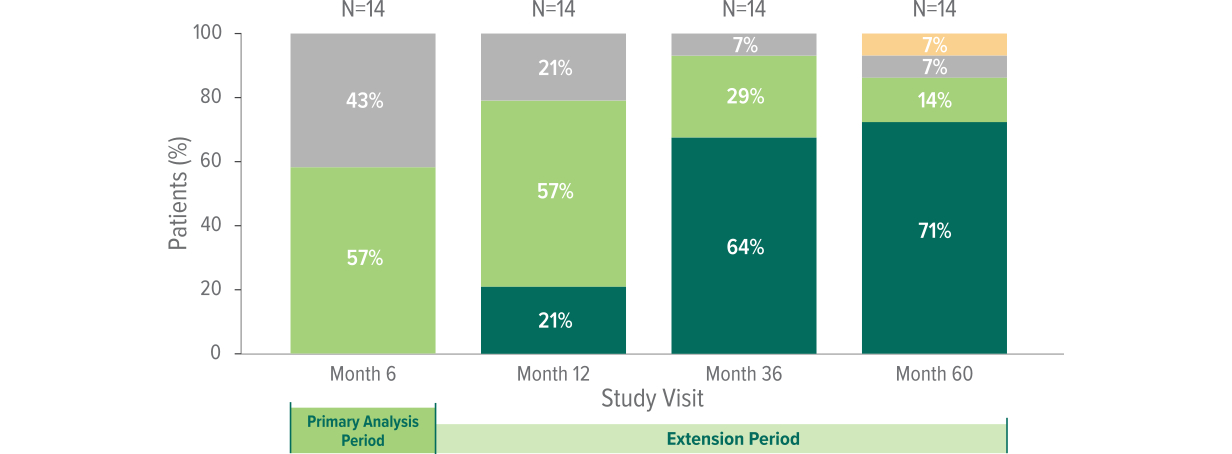
Limitations: This subanalysis was not adjusted for multiplicity. No efficacy conclusions can be drawn from this analysis.
Nephrocalcinosis was graded on a 0 (absent) to 3 (severe) scale with the following categories11,12:
At baseline, 14 of 18 (78%) patients had nephrocalcinosis.9,11
Scheduled ultrasounds were analyzed compared to the baseline ultrasound image.15
ILLUMINATE-C: STUDY DESIGN
Studied in severely affected PH1 patients with advanced kidney disease1
OXLUMO was also studied in ILLUMINATE-C, a multicenter, phase 3, single-arm, open-label trial in patients of all ages with advanced kidney disease (N=21).1,13

ILLUMINATE-C study design1,13,17
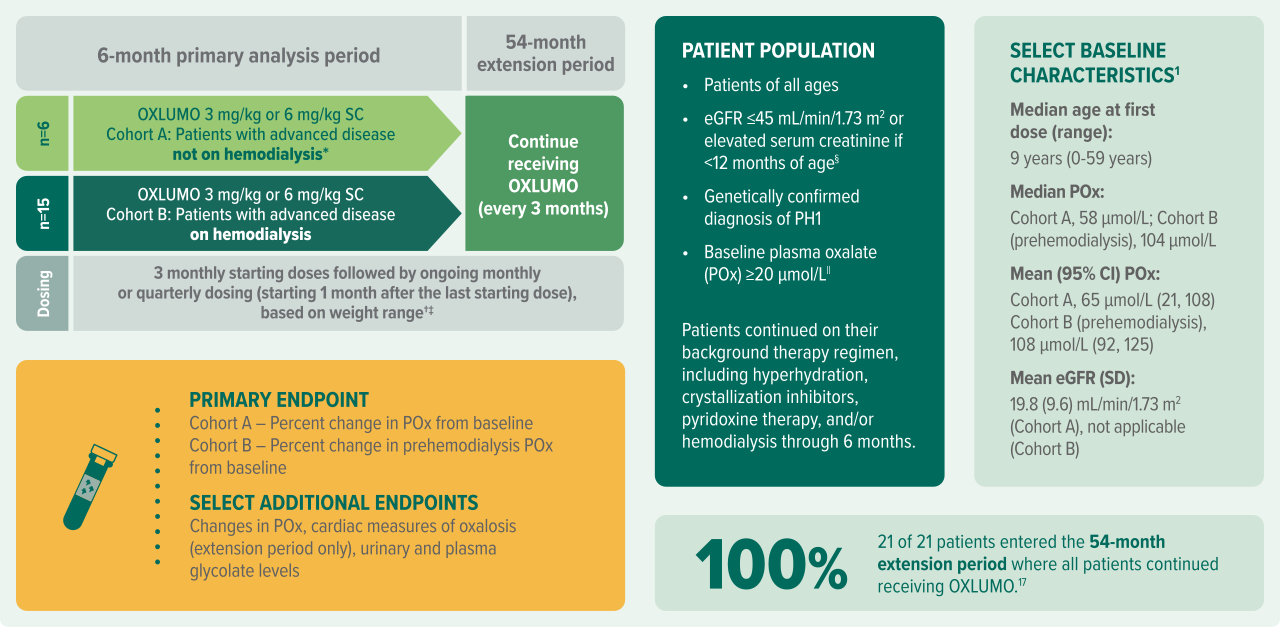
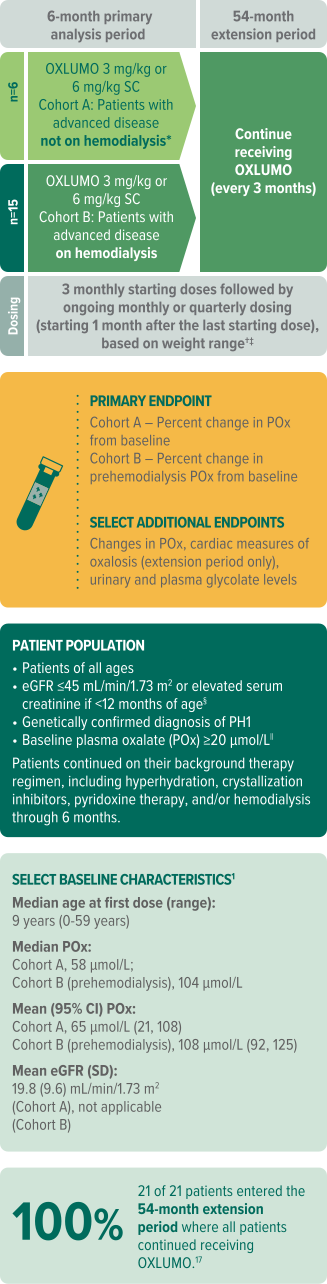
CI=confidence interval; eGFR=estimated glomerular filtration rate; PH1=primary hyperoxaluria type 1; SC=subcutaneous; SD=standard deviation; ULN=upper limit of normal.
Per protocol, Cohort A patients who experienced progression of kidney impairment over time and required hemodialysis therapy crossed over to Cohort B. No patients crossed over in the 6-month primary analysis period. Two patients initiated hemodialysis in the extension period.17-19
Patients <10 kg received starting doses of 6.0 mg/kg monthly for 3 months and then ongoing doses of 3.0 mg/kg monthly; patients ≥10 to <20 kg received starting doses of 6.0 mg/kg monthly for 3 months and then ongoing doses of 6.0 mg/kg every 3 months; patients ≥20 kg received starting doses of 3.0 mg/kg monthly for 3 months and then ongoing doses of 3.0 mg/kg every 3 months.19
If administered on hemodialysis days, OXLUMO was administered after hemodialysis.1
Above ULN for age.6
ULN=12.11 μmol/L (1.09 mg/mL) for POx, as determined based on data from 75 healthy adults.13
ILLUMINATE-C: PRIMARY AND SELECT SECONDARY ENDPOINTS
Sustained POx reduction in patients with advanced kidney disease, including those on hemodialysis1,17
Treatment with OXLUMO led to substantial POx reduction from baseline to 6 months that was sustained through 24 months in patients with advanced kidney disease and patients with kidney failure on hemodialysis (N=21).1,17
Mean reduction in POx with OXLUMO1,17
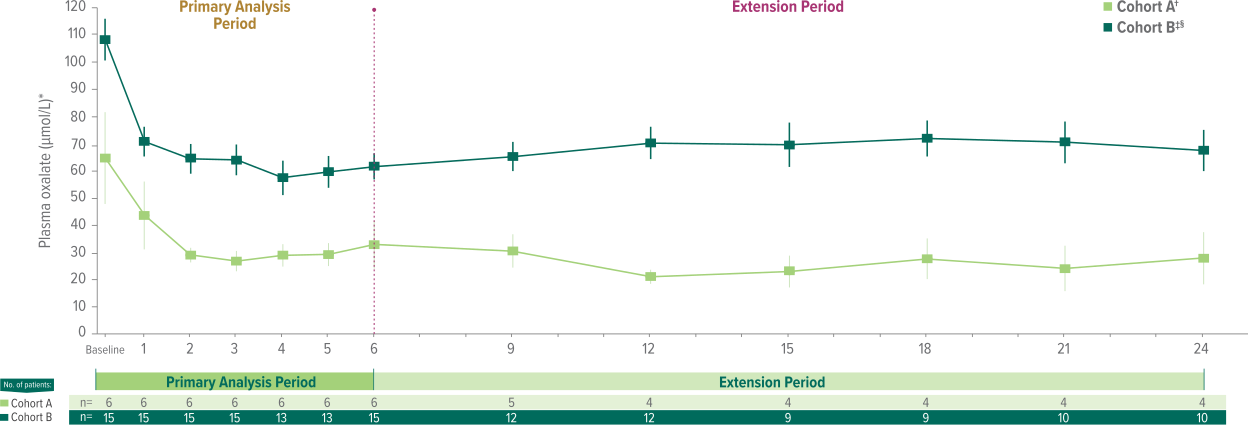
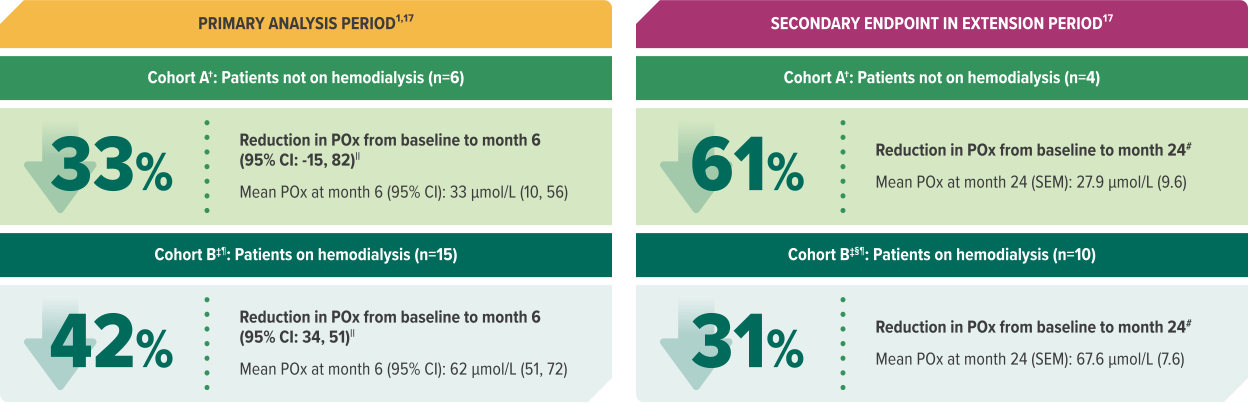
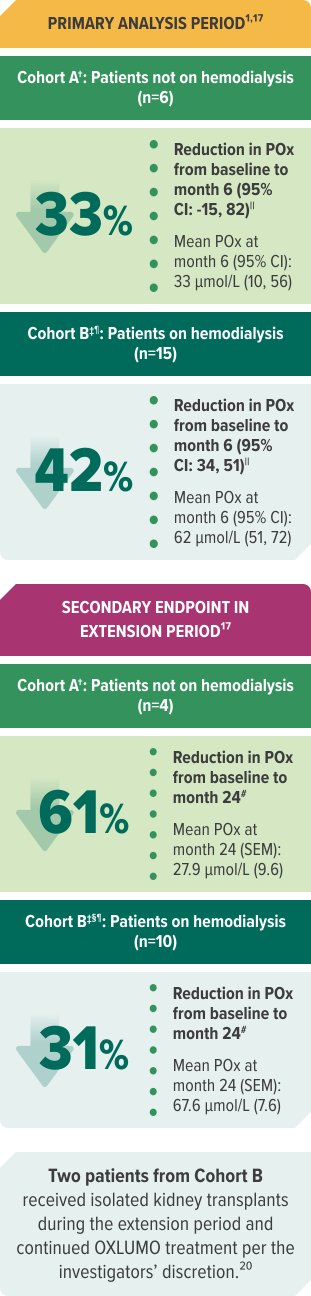
CI=confidence interval; LS=least squares; POx=plasma oxalate; SEM=standard error of the mean.
Mean and SEM actual POx values.17
In Cohort A, baseline was defined as the mean of all POx samples (μmol/L) collected prior to the first dose of OXLUMO.17
In Cohort B, baseline was defined as the mean of the last 4 predialysis POx samples (μmol/L) collected prior to the first dose of OXLUMO.17
Two patients moved from Cohort A to Cohort B.17
The primary endpoint was based on the LS mean percent reduction from baseline to month 6 (which was calculated as an average of months 3 to 6).13,18
In Cohort B, POx was measured prior to a hemodialysis session.17
POx mean percentage change from baseline to month 24.17
SAFETY PROFILE
OXLUMO was safe and well tolerated1,7,11,17,20
OXLUMO has been studied in 98 patients with PH1, including 71 pediatric patients and 15 patients on hemodialysis.1
In placebo-controlled and open-label clinical studies, the most common adverse reaction reported was injection site reaction. Injection site reactions included erythema, swelling, pain, hematoma, pruritus, and discoloration. These symptoms were generally mild and resolved within 1 day of the injection and did not lead to discontinuation of treatment.1
During the extension period of ILLUMINATE-A (up to 54 months), the safety profile of OXLUMO was consistent with that seen in the double-blind period.1,7
Adverse reactions reported in ≥10% of patients treated with OXLUMO and occurring ≥5% more frequently than in patients treated with placebo1
| ADVERSE REACTION | OXLUMO (n=26) n (%) | PLACEBO (n=13) n (%) |
|---|---|---|
| Injection site reaction | 10 (38) | 0 (0) |
| Abdominal pain* | 4 (15) | 1 (8) |
Grouped term includes abdominal pain, abdominal pain upper, abdominal pain lower, and abdominal discomfort.
In the 2 single-arm studies of patients with PH1, ILLUMINATE-B (up to 60 months) and ILLUMINATE-C (up to 24 months), the safety profile of OXLUMO was similar to that seen in ILLUMINATE-A.1,11,17,20

WANT TO SPEAK WITH AN OXLUMO REPRESENTATIVE?
Our representatives are available to provide detailed information about OXLUMO and how it may help your patients with PH1.

There's more to learn about OXLUMO
When you sign up, we will keep you informed with updates and resources.

Alnylam Assist® provides support services for patients throughout their treatment with OXLUMO
Alnylam Assist® includes patient services in 4 key areas, including understanding insurance benefits and financial assistance options for eligible patients,* helping ensure access to therapy, and providing PH1 disease education.
Patients must meet specified eligibility criteria to qualify for assistance. Alnylam reserves the right to make eligibility determinations and to modify or discontinue the program at any time.

1. OXLUMO Prescribing Information. Cambridge, MA: Alnylam Pharmaceuticals, Inc. 2. RIVFLOZA Prescribing Information. Plainsboro, NJ: Dicerna Pharmaceuticals, Inc. 3. Garrelfs SF, Frishberg Y, Hulton SA, et al. N Engl J Med. 2021;384(13):1216-1226. 4. Hulton SA, Groothoff JW, Frishberg Y, et al. Kidney Int Rep. 2022;7(3):494-506. 5. Saland JM, Lieske JC, Groothoff JW, et al. Presented at National Kidney Foundation (NKF) Spring Clinical Meetings; April 11-15, 2023; Austin, TX. 6. Garrelfs SF, Frishberg Y, Hulton SA, et al. Supplementary appendix. N Engl J Med. 2021;384(13):1216-1226. 7. Saland JM, Lieske JC, Willey R, et al. Presented at: ASN Kidney Week; October 24-27, 2024; San Diego, CA. 8. Data on file. Alnylam Pharmaceuticals, Inc. 9. Tasian G, Saland JM, Lieske JC, et al. Presented at American Urological Association (AUA) Congress; April 26-29, 2025; Las Vegas, NV. 10. Garrelfs SF, Frishberg Y, Hulton SA, et al. Protocol. N Engl J Med. 2021;384(13):1216-1226. 11. Frishberg Y, Hayes W, Ben-Shalom E, et al. Presented at: National Kidney Foundation (NKF) Congress; April 10-13, 2025; Boston, MA. 12. Sas DJ, Magen D, Hayes W, et al. Genet Med. 2022;24(3):654-662. 13. Michael M, Groothoff JW, Shasha-Lavsky H, et al. Am J Kidney Dis. 2023;81(2):145-155.e1. 14. Hayes W, Sas DJ, Magen D, et al. Pediatr Nephrol. 2023;38(4):1075-1086. 15. Alnylam Pharmaceuticals, Inc. Statistical Analysis Plan. ILLUMINATE B: an open-label study to evaluate the efficacy, safety, pharmacokinetics, and pharmacodynamics of lumasiran in infants and young children with primary hyperoxaluria type 1. ClinicalTrials.gov Identifier: NCT03905694. Updated December 14, 2023. Accessed September 19, 2025. https://cdn.clinicaltrials.gov/large-docs/94/NCT03905694/SAP_002.pdf. 16. Sas DJ, Magen D, Hayes W, et al. Supplementary file 1. Genet Med. 2022;24(3):654-662. 17. Sellier-Leclerc A-L, Magen D, Shasha-Lavsky H, et al. Am J Kidney Dis. 2025;86(2):285-288. 18. Michael M, Groothoff JW, Shasha-Lavsky H, et al. Supplementary file 3. Statistical Analysis Plan. Am J Kidney Dis. 2023;81(2):145-155.e1. 19. Michael M, Groothoff JW, Shasha-Lavsky H, et al. Supplementary file 1. Figures S1-S9; Tables S1-S4. Am J Kidney Dis. 2023;81(2):145-155.e1. 20. Sellier-Leclerc A-L, Magen D, Shasha-Lavsky H, et al. Supplementary file 1. Am J Kidney Dis. 2025;86(2):285-288.